
For children and adults
For lasting change, you need to engage the brain.
Every movement, thought and feeling is organised by the brain, and the brain never stops learning. ABM NeuroMovement creates the conditions in which it learns best, for children and adults living with cerebral palsy, brain injury, stroke, genetic conditions or autism. We start with what is already possible, and help the brain discover what comes next.
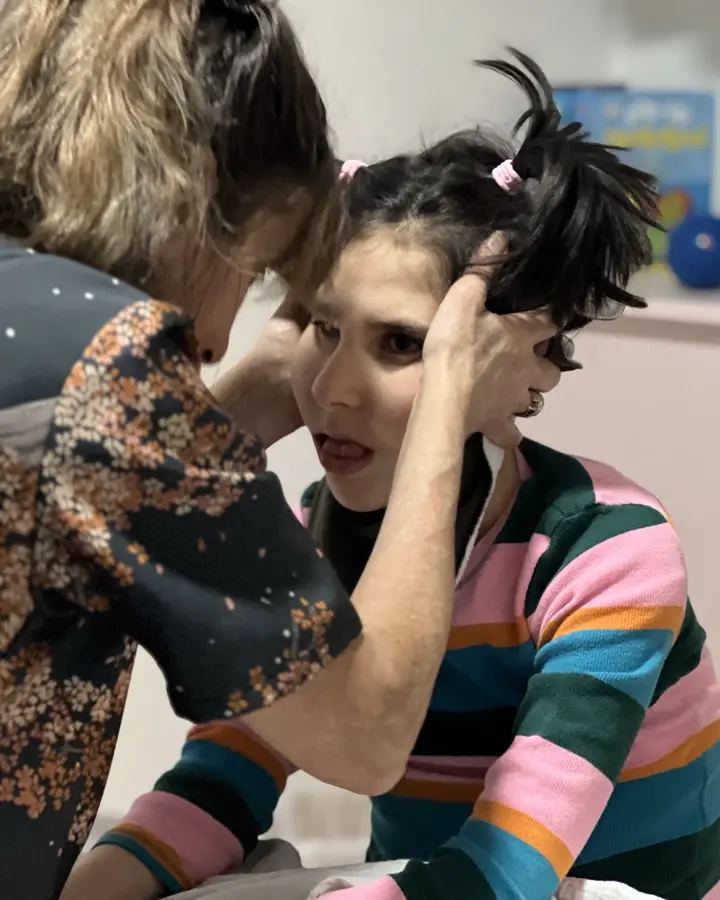
- World class practitioners
- Senior practitioners and ABM trainers who travel to us from the US and Europe, alongside our skilled UK practitioners
- One to one
- Every lesson is just you or your child and the practitioner, for up to 45 minutes
- Intensives
- Lessons concentrated over a few days, so the brain can build on each one
- Roehampton and beyond
- Our main centre is in south west London, with practitioners across the UK and visits to Ireland, Scotland and Wales
Who we help
There is often more potential than anyone has been told
Most people who contact us have already tried a lot. A parent may be six therapies in. An adult may have done two years of rehab after a stroke. What they share is a sense that there is more in there than anyone has yet found a way to reach. We think so too, and that is where our work comes in.
Engaging the brain for comfort, ease and new movement
Through connected touch and small, varied movements, we help the brain organise movement across the whole body with more ease. From babies to adults.
Read moreWhen rehab ends, learning can continue
For adults and children after traumatic or acquired brain injury, and children affected by HIE.
Read moreMonths or years on, the brain can still learn
Gentle one to one lessons that help the brain find easier, steadier ways to move.
Read moreA diagnosis does not set the limit
Rare syndromes, Down's syndrome, scoliosis, torticollis and brachial plexus injury.
Read moreCalmer, more settled, more connected
Helping the nervous system settle, so the brain has room to learn. For children and adults.
Read moreNot sure if we can help?
We also work with adults with chronic pain and anxiety, children with developmental delay and no diagnosis yet, and much more. Tell us about your situation and we will give you an honest answer.
Ask usHow it works
Turning down the noise so the brain can learn
Your brain is taking in a constant stream of information: sound, light, touch, the pull of gravity and its own long established habits of movement. When there is a lot going on, small but important signals get lost in the noise.
Picture a torch shone on your back on a busy street in daylight. You would not notice it. Shine the same torch on your back in a quiet, dark room and you feel it straight away. The torch has not changed. The background has.
An ABM practitioner works in the same way. They turn the noise down: slowing everything down, reducing effort and force, using light, connected touch, and keeping the room calm and unhurried. Against that quiet background, the brain can notice small differences in how the body moves and feels. Noticing a difference is where learning starts. The brain uses it to build a clearer map of the body, and from a clearer map, new and easier ways of moving, thinking and responding can emerge.
“I literally saw my child come to life. She was so alert and aware during and after her first lesson.”Abi, mother of Annabelle, who has dystonic cerebral palsy
Next dates
Upcoming intensive dates
Intensives usually run from Wednesday to Sunday, though the format sometimes differs. These are the dates for our visiting international practitioners, and for weekend lessons at our centre. Places are limited, so families usually book a few weeks ahead.
- Wed 18 to Sun 22 NovNeil SharpRoehampton, LondonSenior practitioner and ABM trainer. £175 a lessonAsk on WhatsApp
- Wed 25 to Sun 29 NovJuan Carlos ConchaMullingar, IrelandVisiting from SpainAsk on WhatsApp
- Wed 25 to Sun 29 NovMike WaeflerRoehampton, LondonVisiting from the USAsk on WhatsApp
- Wed 2 to Sun 6 DecJuan Carlos ConchaRoehampton, LondonVisiting from SpainAsk on WhatsApp
- Sat 5 and Sun 6 DecDanae BellenisRoehampton, LondonWeekend lessons with our UK practitionerAsk on WhatsApp
- Wed 9 to Sun 13 DecBeril TokcanRoehampton, LondonVisiting from TurkeyAsk on WhatsApp
- Sat 12 and Sun 13 DecDanae BellenisRoehampton, LondonWeekend lessons with our UK practitionerAsk on WhatsApp
- Sat 16 to Wed 20 JanBeril TokcanRoehampton, LondonVisiting from TurkeyAsk on WhatsApp
New dates are being arranged. Ask us and we will tell you what is coming up.
Our practitioners
Some of the most experienced practitioners in the world
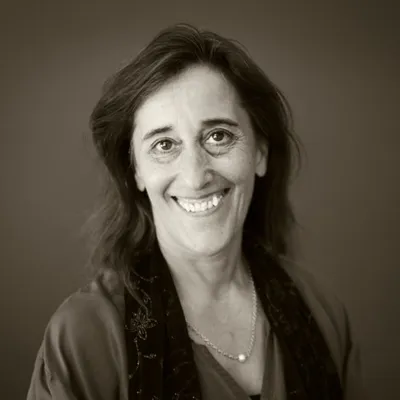
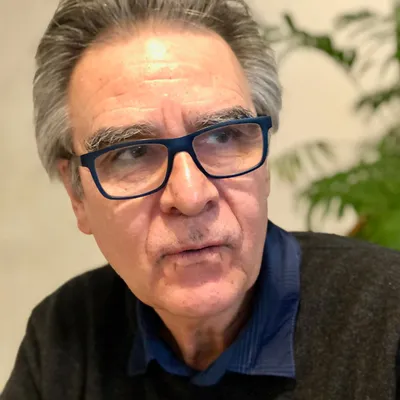
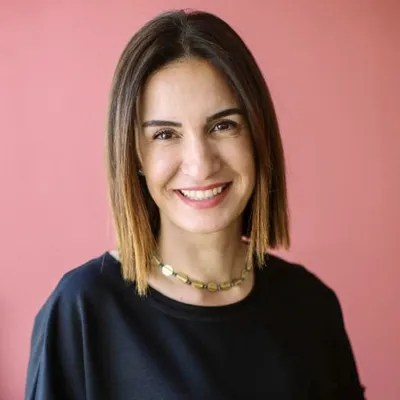
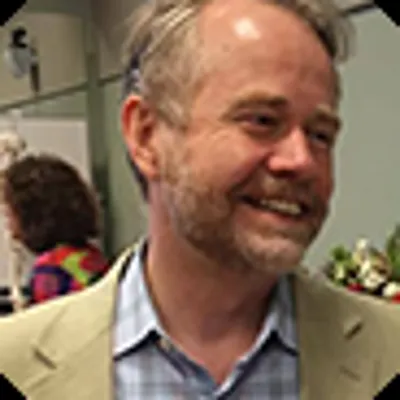
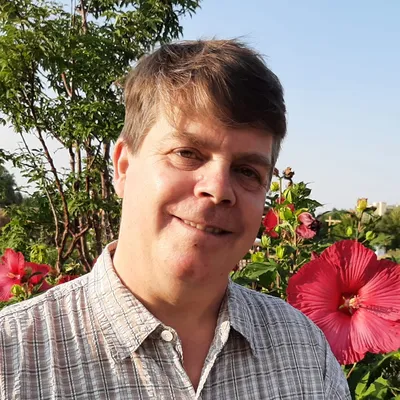
We bring senior ABM NeuroMovement practitioners and trainers to London from the US and Europe, many with decades of experience. Each has their own way of sensing and feeling movement, and that variety gives the brain more to learn from.
Our UK practitioners are highly skilled in their own right, with their own clients across London and beyond.
Getting started
Three steps to your first intensive
Tell us about you
The enquiry form takes about three minutes. It helps us prepare, so your call is about you rather than general questions.
A call with us
Around 20 minutes. We talk through what you have tried and what you are hoping for, and share fees and availability. If we do not think we can help, we will say so.
Your first intensive
Most people start with an intensive of 6 to 10 one to one lessons over a few days. Intensives start from £450 with our UK practitioners, and from £810 with our visiting international practitioners.
Our story
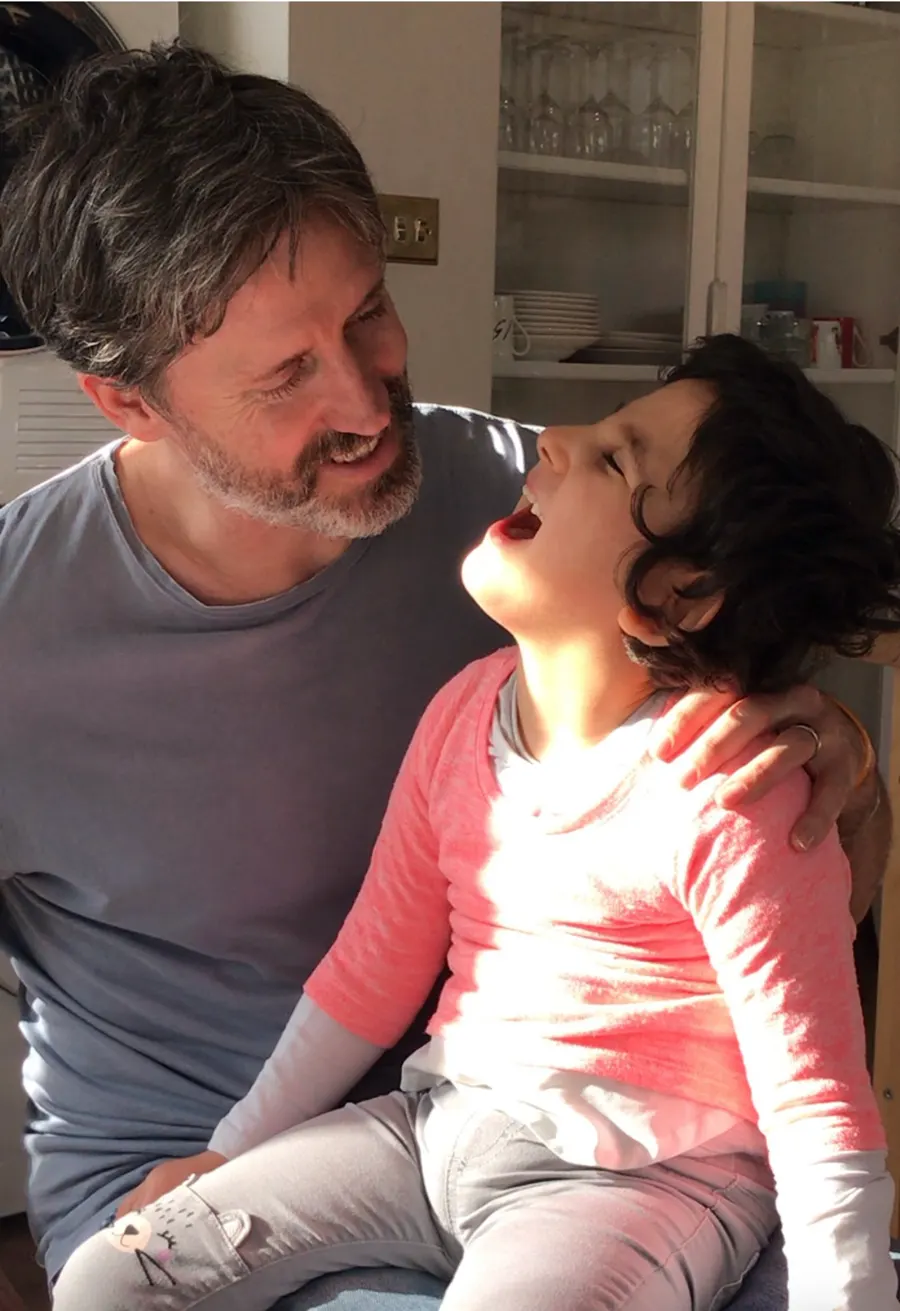
It started with my daughter, Elsa
Elsa was born at 25 weeks and faced a long list of diagnoses. When she found ABM NeuroMovement, she was met where she was for the first time, rather than pushed into positions her body could not manage. Her comfort, ease and engagement changed, and so did my understanding of what was possible.
Connections in Motion grew from that experience, so that other families could have the same access to the world's most experienced practitioners.
Next steps
Tell us about you, and we will be honest
If we do not think we can help, we will say so. If we do, we will explain what a first intensive involves and what it costs.