Home / Our story
Our story
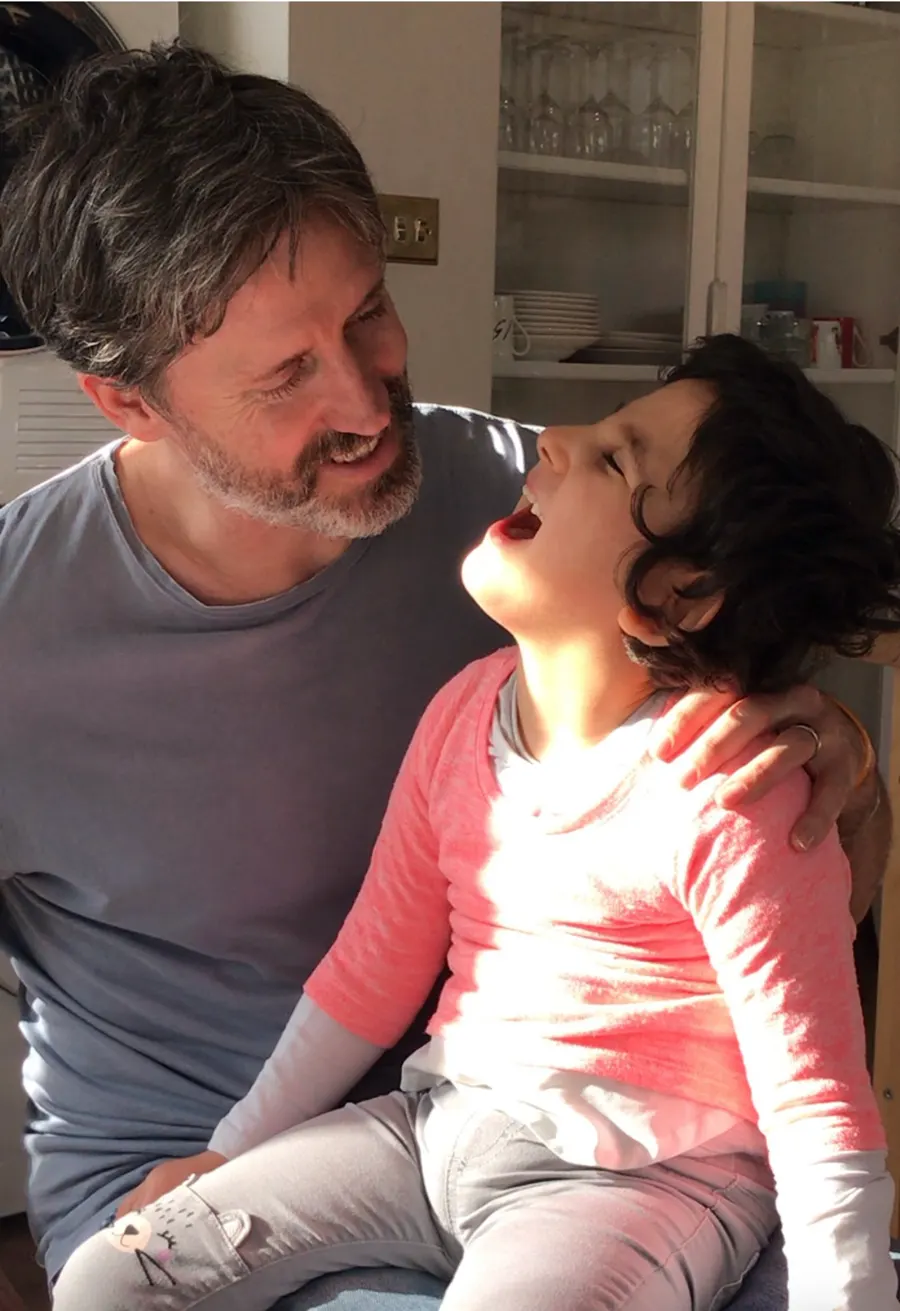
It started with my daughter, Elsa.
Connections in Motion grew from one family's search for something better. This is why I do what I do.
Where it began
Doctors spoke in limits. I saw something different.
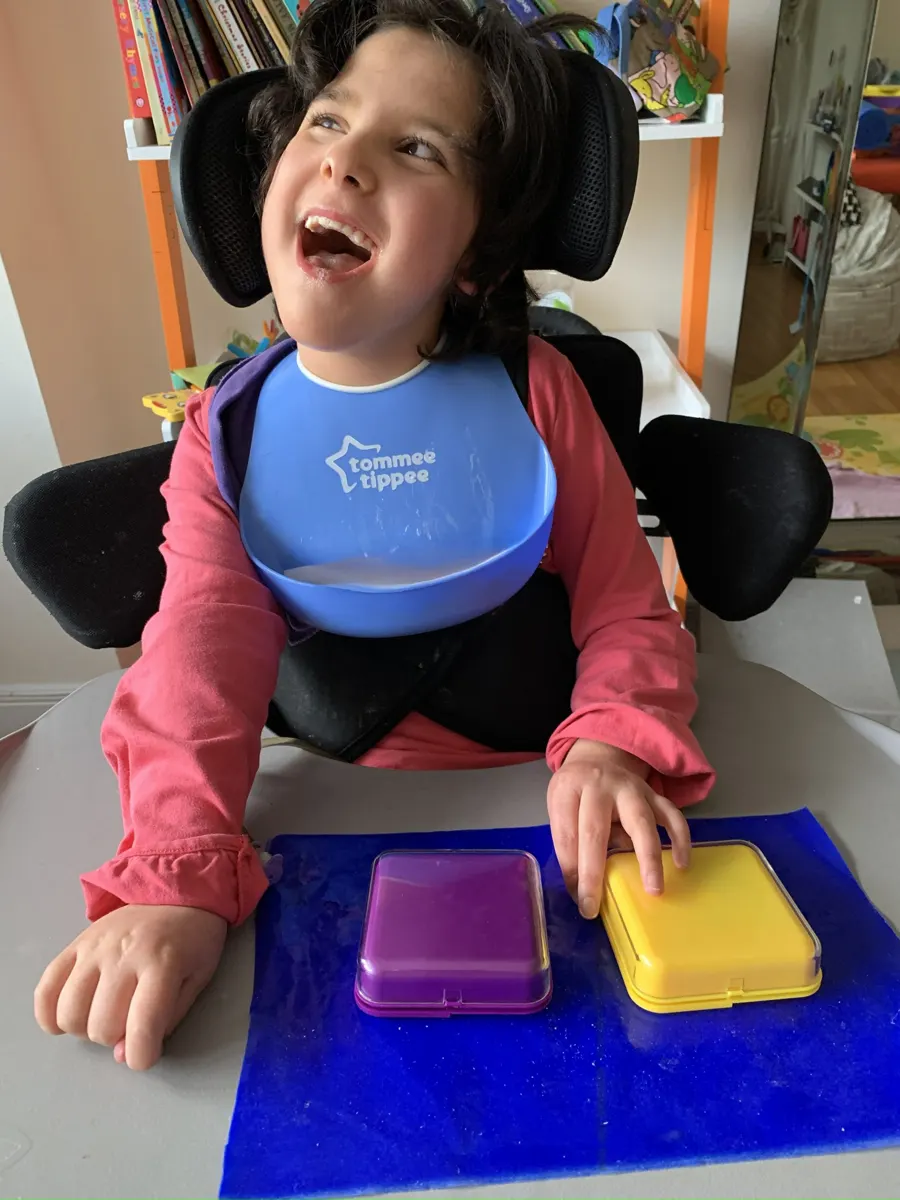
My daughter, Elsa, was born in Singapore in 2014 at just 25 weeks, weighing 890 grams. After neonatal bacterial meningitis she developed a series of complications, including hydrocephalus, seizures and retinopathy of prematurity. Her first months were spent surrounded by monitors and medical teams working to keep her alive.
Doctors told us not to expect much. They spoke about survival, not potential. Even then, I saw something different.
In her first years Elsa followed the usual route of therapies. Each had value, but the focus was often on what she could not do, rather than the possibilities within her. Her sessions felt mechanical, driven by effort rather than curiosity.
Discovering ABM NeuroMovement
Met where she was, for the first time
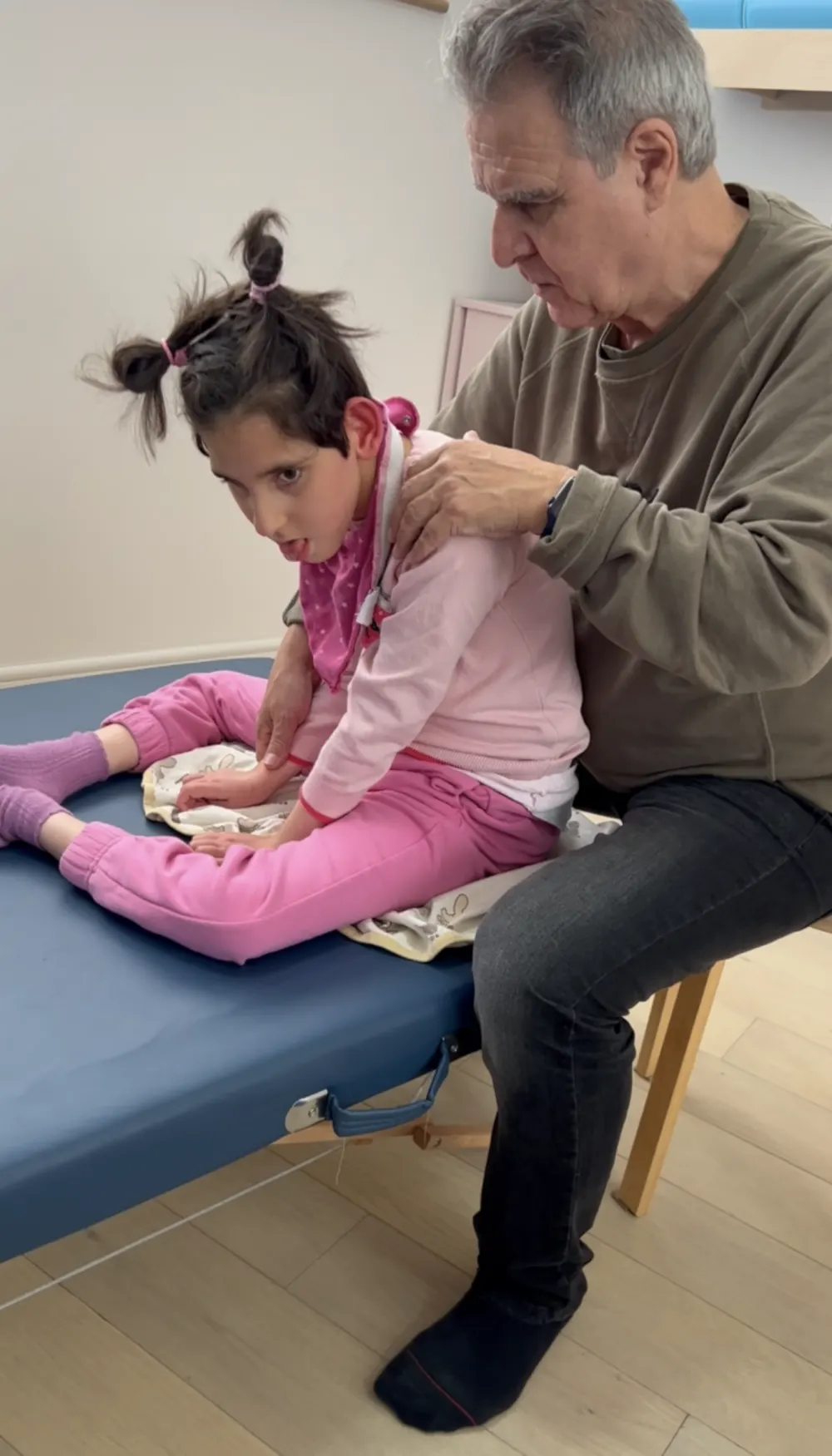
Elsa's mum found ABM NeuroMovement while researching approaches that recognised the role of the brain, rather than focusing only on muscles. We were living in Singapore at the time, so Elsa travelled to Melbourne for her first lessons.
From the first lesson, the difference was clear. Elsa was not being pushed into positions her body could not manage. The practitioner met her where she was, followed her lead and introduced gentle variations her brain could explore. And Elsa loved it.
“When we stopped trying to make her do what she couldn't, she began showing us what she could.”
Her tone softened, her movement became lighter and her whole body seemed more comfortable. Even with limited vision, she became more aware of her surroundings: more engaged, calmer and happier.
An honest picture
What the work has given her
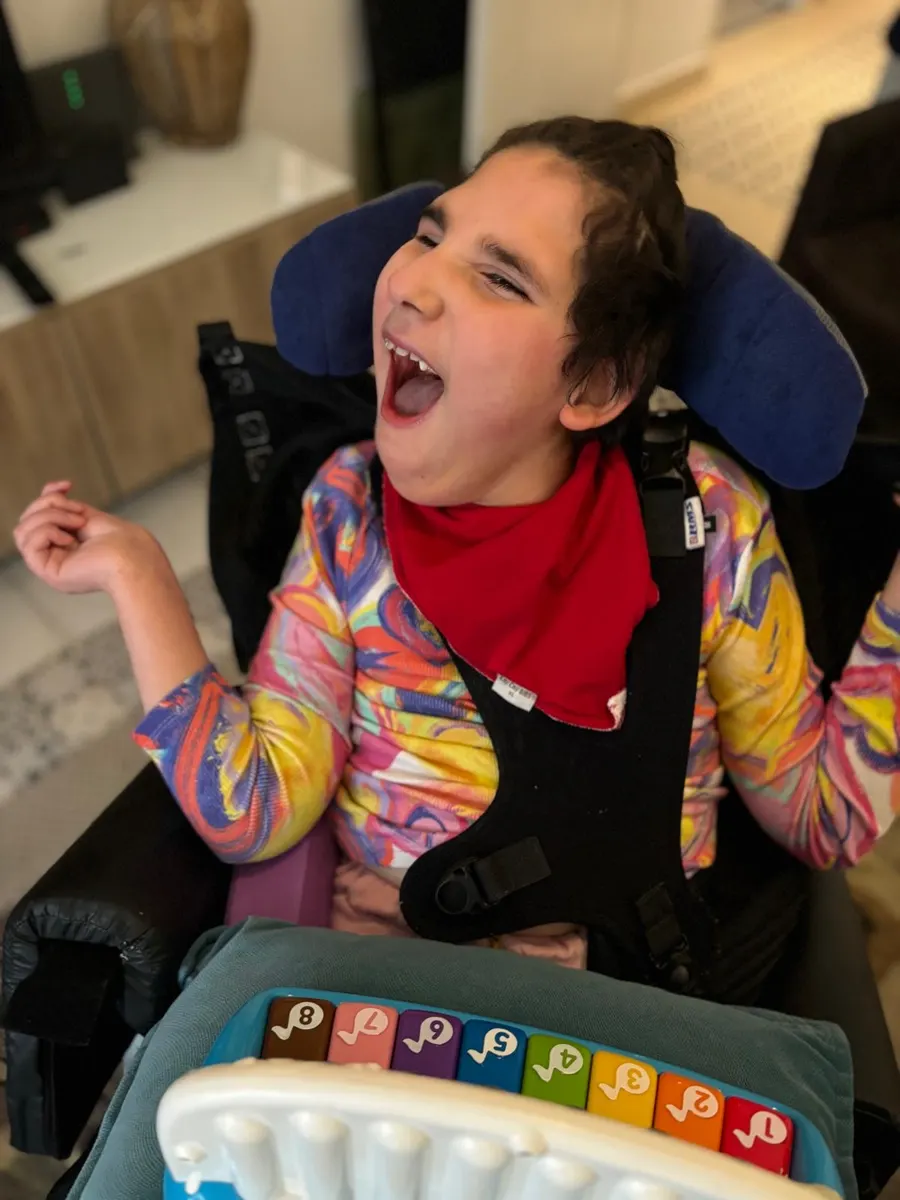
Doctors told me Elsa would need major hip surgery by the age of five. She is now 12. Her hips are subluxed, but so far she has not needed any surgical intervention. Her scoliosis has progressed, but her doctors are pleased with how much movement she keeps in her spine, rather than it becoming rigid. The everyday challenge now is positioning her well in her equipment, which can work against the freedom her lessons give her.
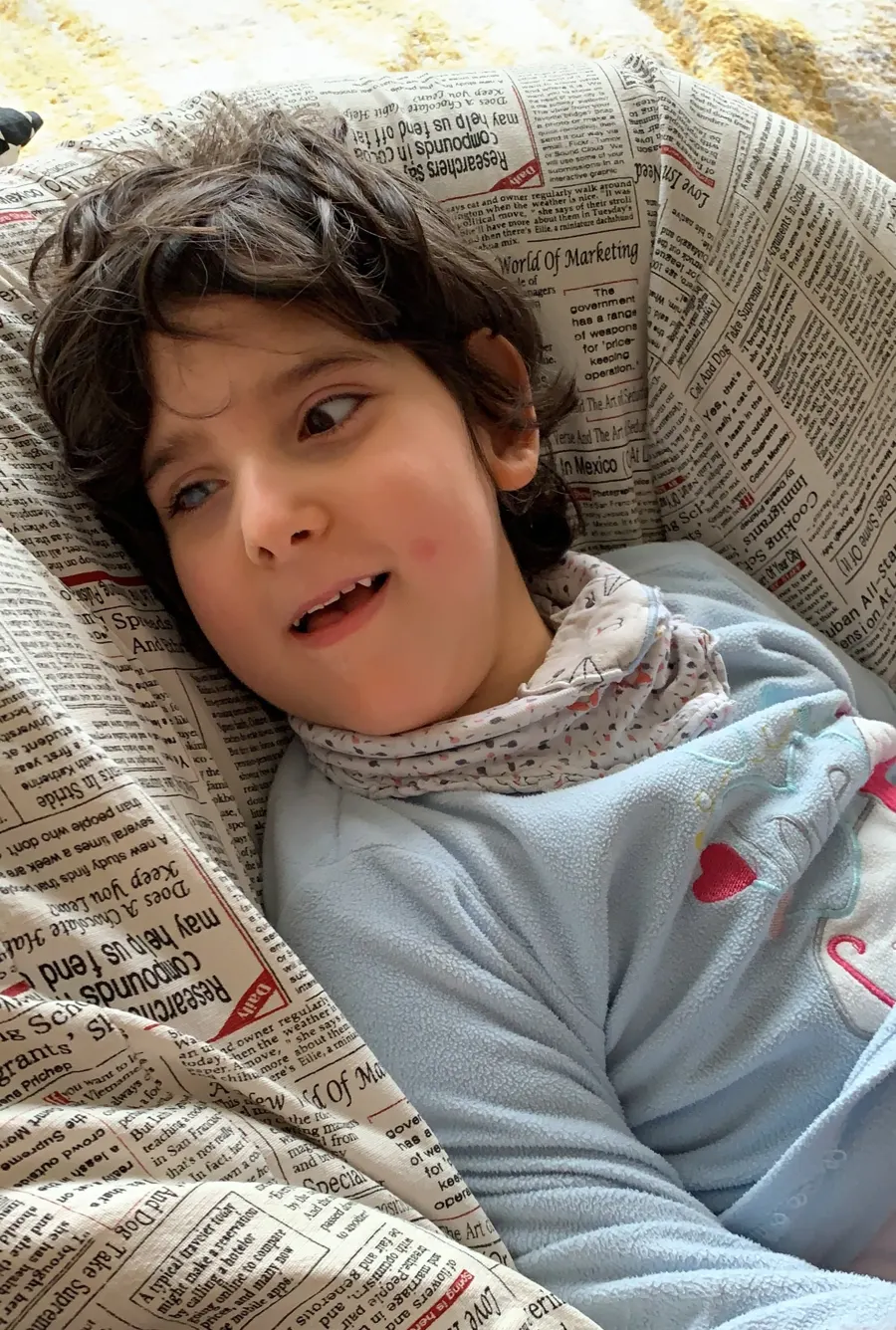
What ABM NeuroMovement has given Elsa, more than anything else, is comfort. She lives in her body with an ease that her condition would predict she should not have. She is engaged, alert and often delighted by the people around her. To people who meet her briefly this can look invisible. To me, and to anyone who spends time with her, the difference is everything.
I am not going to claim this work has cured anything. It has not. What I can say is that it has given Elsa a quality of daily life I did not know was available to her.
Why I trained
From one family to a centre for others
As Elsa grew older, her insurance no longer covered her, and travelling to the US for lessons became too risky and too expensive. So I trained in ABM NeuroMovement in the United States, learning from Anat Baniel and her senior practitioners, and began inviting experienced practitioners to the UK, so that Elsa, and other families, could keep accessing the work.
What began at home became a community of families exploring new possibilities for their children and themselves. That community became Connections in Motion.
What we believe
Connection before correction
The name Connections in Motion holds two meanings: the new connections that form in the brain when learning happens, and the human connections between families, practitioners and communities who move forward together.
- Every person has potential.
- Connection comes before correction.
- Disability does not define a person. It shows the diversity in how people learn and experience the world.
- When we focus on possibility rather than limitation, we make space for growth.
Elsa continues to surprise me every day. Through her, I have learned that progress is not about pushing or fixing. It is about creating the right conditions for the brain to learn.
From my family to yours, welcome to Connections in Motion.
Simon Recordon, founder
Getting started
Three steps to your first intensive
Tell us about you
The enquiry form takes about three minutes. It helps us prepare, so your call is about you rather than general questions.
A call with us
Around 20 minutes. We talk through what you have tried and what you are hoping for, and share fees and availability. If we do not think we can help, we will say so.
Your first intensive
Most people start with an intensive of 6 to 10 one to one lessons over a few days. Intensives start from £450 with our UK practitioners, and from £810 with our visiting international practitioners.
Next steps
Tell us about you, and we will be honest
If we do not think we can help, we will say so. If we do, we will explain what a first intensive involves and what it costs.